Get Instant Access
The Greatest Hispanic NPB Players


Baseball: one of the greatest cultural melting pots in sports. Whether the game is taking place in Japan’s Nippon Professional Baseball (NPB) or the USA’s Major League Baseball (MLB), at any particular point a team may have any number of non-citizen players smacking home runs or making great plays for the team.
Perhaps the most prodigious region in the world for producing ballplayers is Latin America. Peloteros from countries such as the Dominican Republic, Cuba, and Venezuela wow audiences with not just their skills and athleticism but also their “feel” for the game honed over a lifetime of living and breathing baseball.
With Hispanic Heritage Month coming to a close, we thought it would be fun to take a look at some of the most impactful Latin American players in NPB history. Does your favorite player make the list?
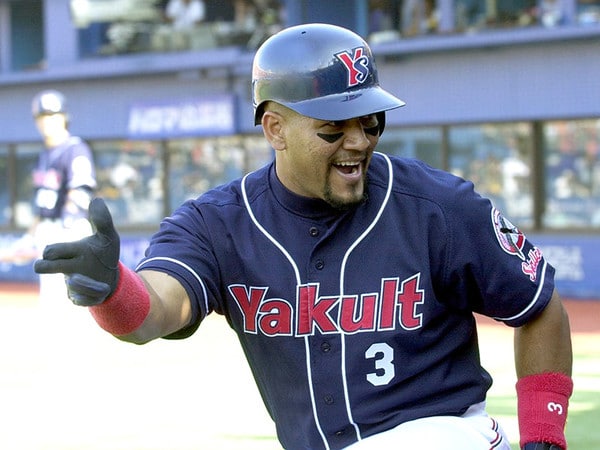
The only import player to notch 2000 NPB hits, Ramirez is not just one of the greatest Hispanic players in NPB history, but one of the greatest NPB players ever, earning induction into the exclusive Meikyukai (“Golden Players Club”) in 2013.
The Venezuelan slugger joined the Tokyo Yakult Swallows in 2001, and quickly became one of the key players on the team, helping the Swallows to the Japan Series in 2001 and setting the record for most hits in a season with 204 in 2007. After joining the Tokyo Yomiuri Giants the following year – at age 34 – Ramirez put together perhaps his two finest seasons, winning Central League MVP in 2008 and 2009, and winning a Japan Series the latter year, belting a sayonara home run in Game 2.
An 8-time All-Star (2002, 2003, 2007-2012), 4-time Best Nine (2003, 2007-2009), and one of the greatest players in NPB history? The beloved “Rami-chan” is a perfect to start off our list.
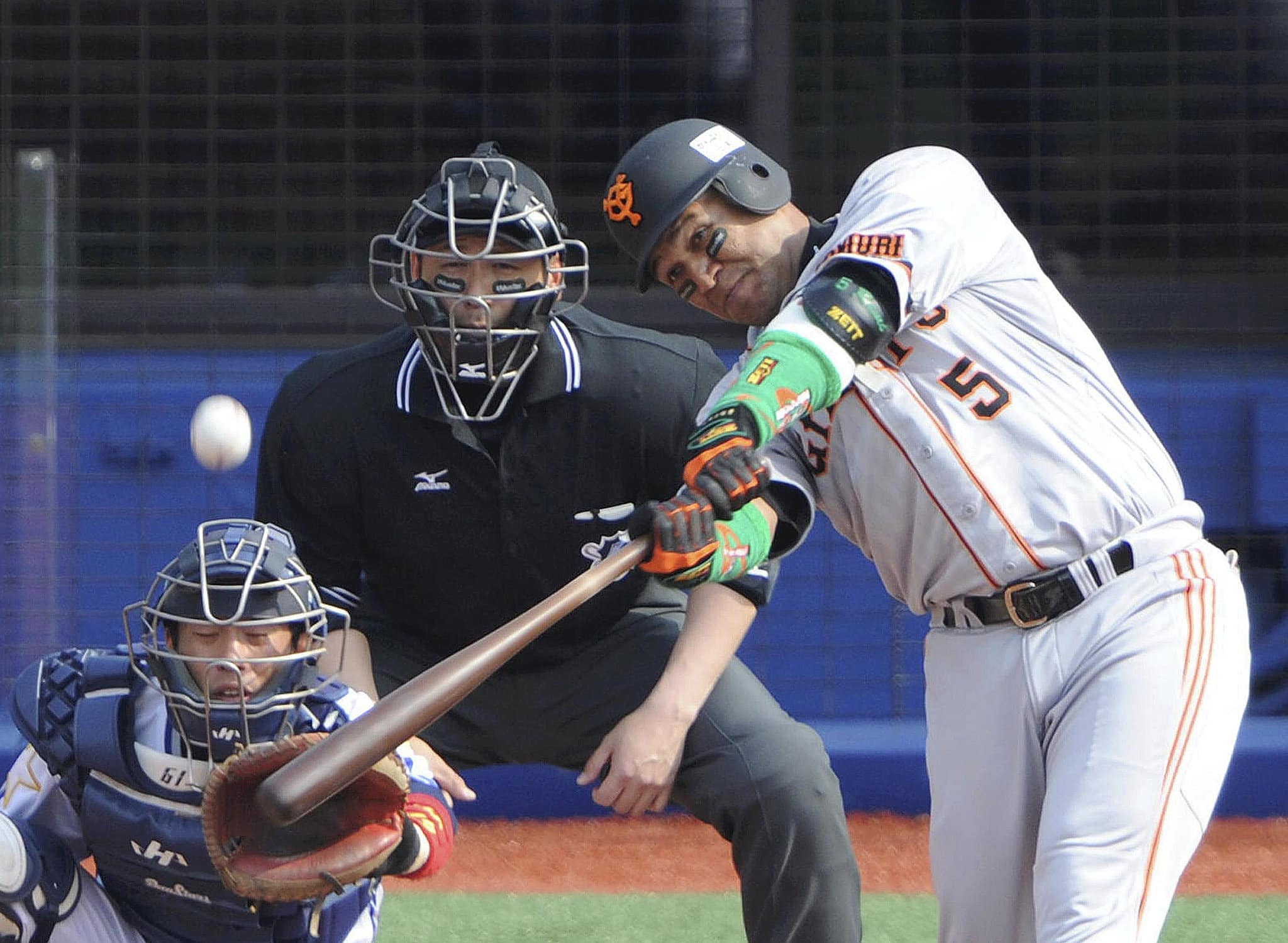
One of four men to match Sadaharu Oh’s revered single-season home run record. The only player to have two single season HR records in two countries (Japan, Venezuela). Alex Cabrera, the pure power hitter, currently sits at #29 on the all-time home run list, and has plenty of memorable highlights.
Cabrera quickly made his presence known after making his NPB debut with the Seibu Lions in 2001, whacking 49 home runs and 124 RBIs. But it was his 2002 season that made him a legend, tying the NPB single-season record with 55 home runs enroute to earning Pacific League MVP. Cabrera was also a worthy contributor to three Japan Series-winning teams, and whacked several key hits in 2004.
One of the greatest sluggers in NPB history, and a postseason performer to boot.
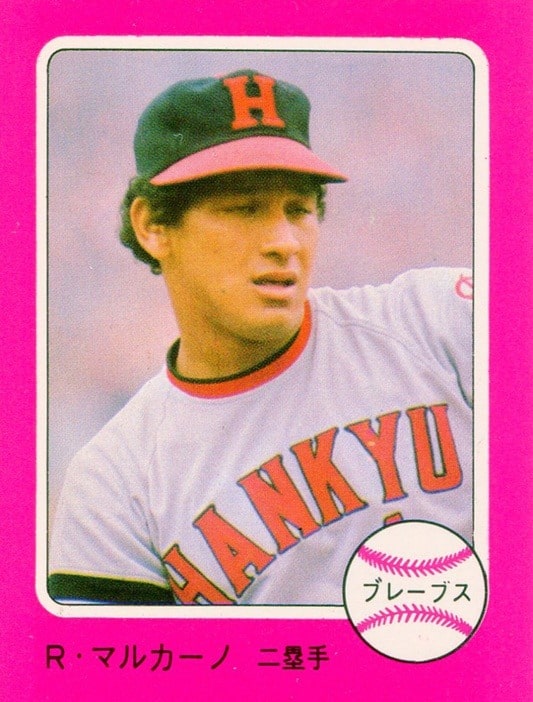
Marcano was one of the most important players in the history of the Hankyu Braves, a defensive wizard with the glove and a steady bat to boot.
Joining the team in 1975 as a young second baseman, Marcano became an immediate contributor to a constantly contending Braves squad, rapping 137 hits and 71 RBIs, and winning his first of four Gold Gloves (1975, ‘76, ’78, ‘79), as well as helping the team win their first Japan Series championship. Marcano proved to be an important cog in the Braves’ machine, helping them win four straight Pacific League pennants and three straight Japan Series, as well as being named a four-time Best Nine (1975, 1977-79) and five-time All-Star (1975-76, 1978-80).
Later playing for the Yakult Swallows and scouting for the Yomiuri Giants, Marcano truly embraced living in Japan, even raising his children in the area. He sadly passed in 1990 after being diagnosed with cancer, robbing him of a lengthy post-playing career.
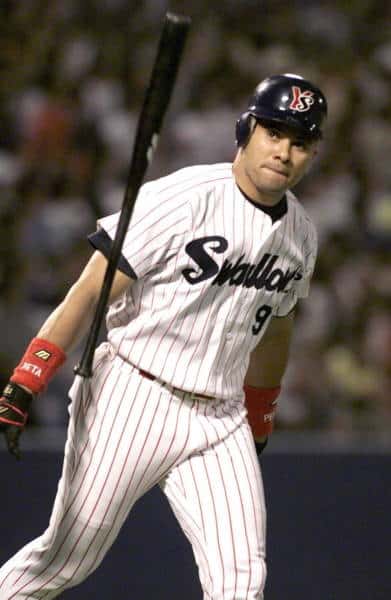
Petagine may have had a brief stint in NPB compared to some other players on this list– playing only six seasons – but his impact on the Central League is undeniable.
Joining the Tokyo Yakult Swallows in 1999, Petagine immediately became one of the top power hitters in the Central League, winning the home run title that first year and being named to the first of three straight All-Star games (1999-2001). Petagine was the ideal everyday first baseman for the Swallows, earning three Gold Gloves (2000-2002) to compliment his prodigious bat.
His best season came in 2001, when he was named Central League MVP, earned his second home run title (39), and helped the Swallows clinch the Japan Series. While he would later join the Yomiuri Giants, he wasn’t quite able to replicate his previous success; however, his time with the Swallows is way too amazing to be ignored.
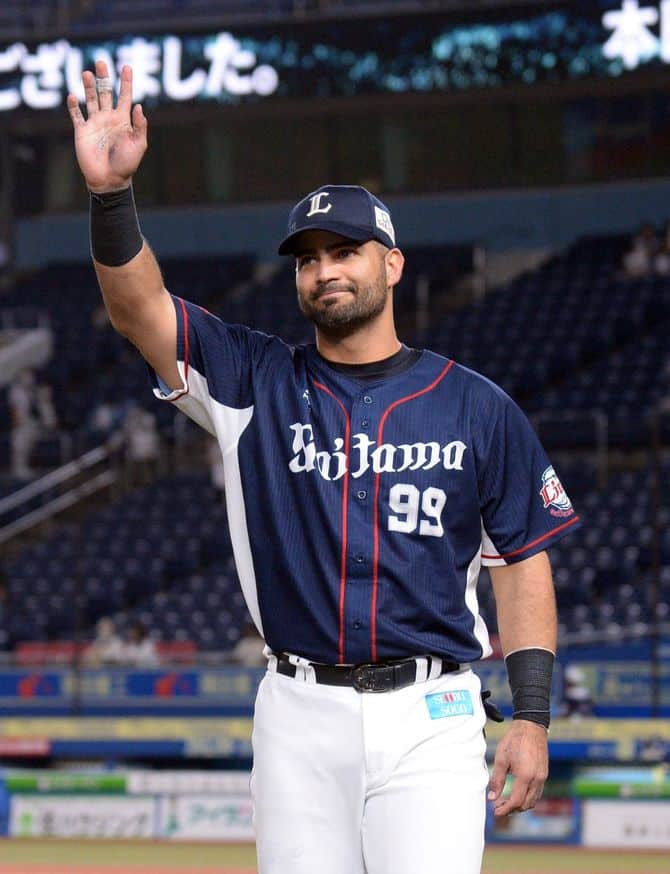
One of the most underrated positions in baseball is the pinch hitter; entering cold into high-leverage situations, often against a flame-throwing reliever, the pinch hitter must try to pull off the difficult task of giving his team a spark when it’s needed most.
High-leverage situations were made for guys like Mejía; he responds in kind. Mejía is perhaps one of the best pinch hitters in league history, providing sparks in plenty of clutch situations. While he was only named an All-Star once (in 2016) he was an essential player to the Saitama Seibu Lions’ postseason runs in 2018 and 2019.
But Mejía didn’t just perform off the bench. He made his NPB debut in 2014, joining the Lions about a month into the season. The late start didn’t bother him though – Mejía won the Pacific League home run crown with 37 home runs!
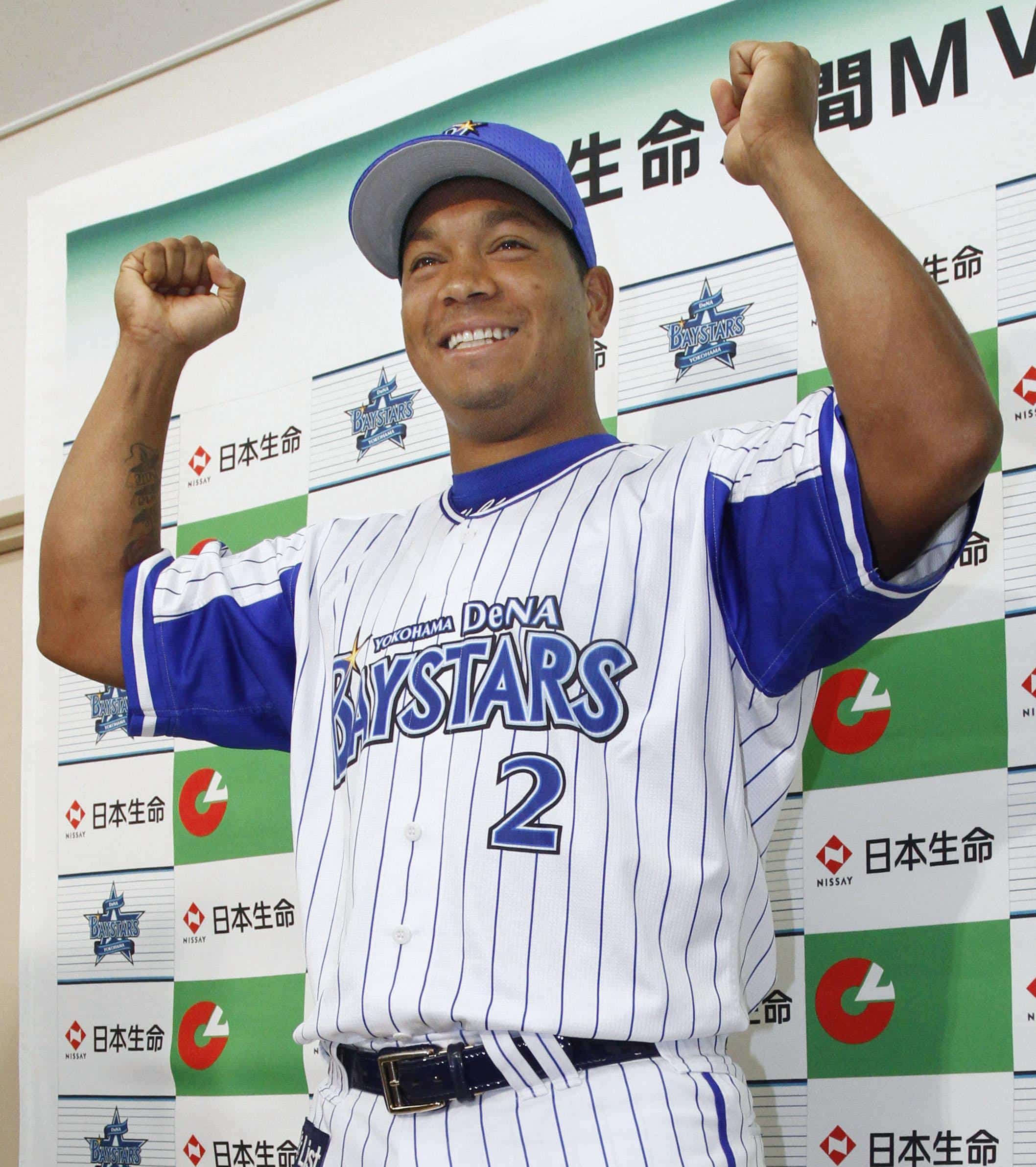
The first non-Japanese player to ever record 1000 hits in both MLB and NPB, López has been an important player for the Yokohama DeNA Baystars for years now, earning three All-Star nods (2015, 2018, 2019) and four Gold Gloves (2013, 2016-2018).
First earning his keep as an All-Star on the Seattle Mariners – notching 1005 hits and 92 home runs – López first joined the Yomiuri Giants in 2013, posting one of the top fielding percentages in the league and hitting well, and followed the success with a big contract with the Yokohama DeNA BayStars. His best season came in 2017, when he was named to the Best Nine, won the RBI title, his third Gold Glove, and was named Central League Climax Series MVP enroute to the Central League Pennant.
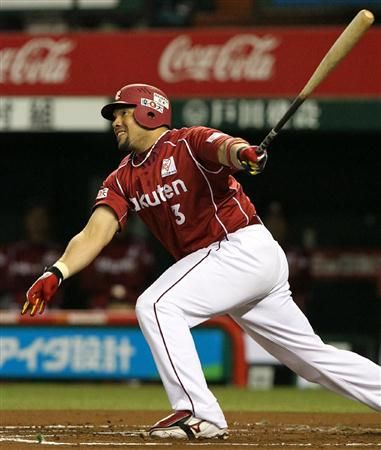
Playing eleven seasons in NPB with four franchises, Fernández is one of the most in-demand import players in league history. The perpetual hitter-for-hire and RBI machine earned Best Nine with multiple teams and was consistently productive with the hitstick.
First joining the Chiba Lotte Marines in 2003, Fernández quickly became known for his ability to plate baserunners, tallying 100 RBIs in his first season. He followed the success with a two-year deal with the Tohoku Rakuten Golden Eagles; his 94 RBIs made him a key member of the 2004 Japan Series-winning team.
In 2006 he was an All-Star and Best Nine after recording 88 RBI. Although he followed that strong season up with 99 RBIs in 2007, he earned no end-of-season accolades. He would earn another Best Nine while with the Saitama Seibu Lions in 2011, and would retire from NPB with 772 RBIs and 2155 total hits.
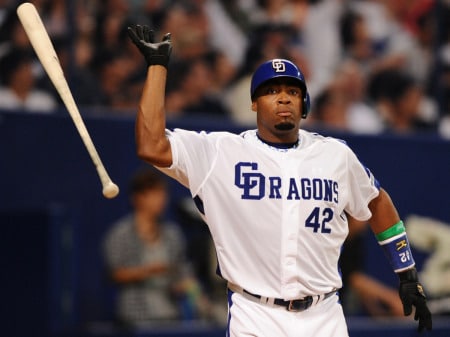
One of the best players in the modern era of the Chunichi Dragons, Blanco was a five-time All-Star (2009, 2010, 2012, 2013, 2014) and perennial top hitter, leading the league in RBIs (2009, 2013), home runs (39 in 2009), and batting average (.333 in 2013).
His hitting was essential to the Dragons’ success, as the team won consecutive pennants in 2010 and 2011 with his help. Beyond the titles, Blanco was named Best Nine in 2009 and 2012, and again in 2013 after joining the Yokohama DeNA BayStars. One of the better hitters of the modern era, Blanco will forever be adored by Dragons fans.
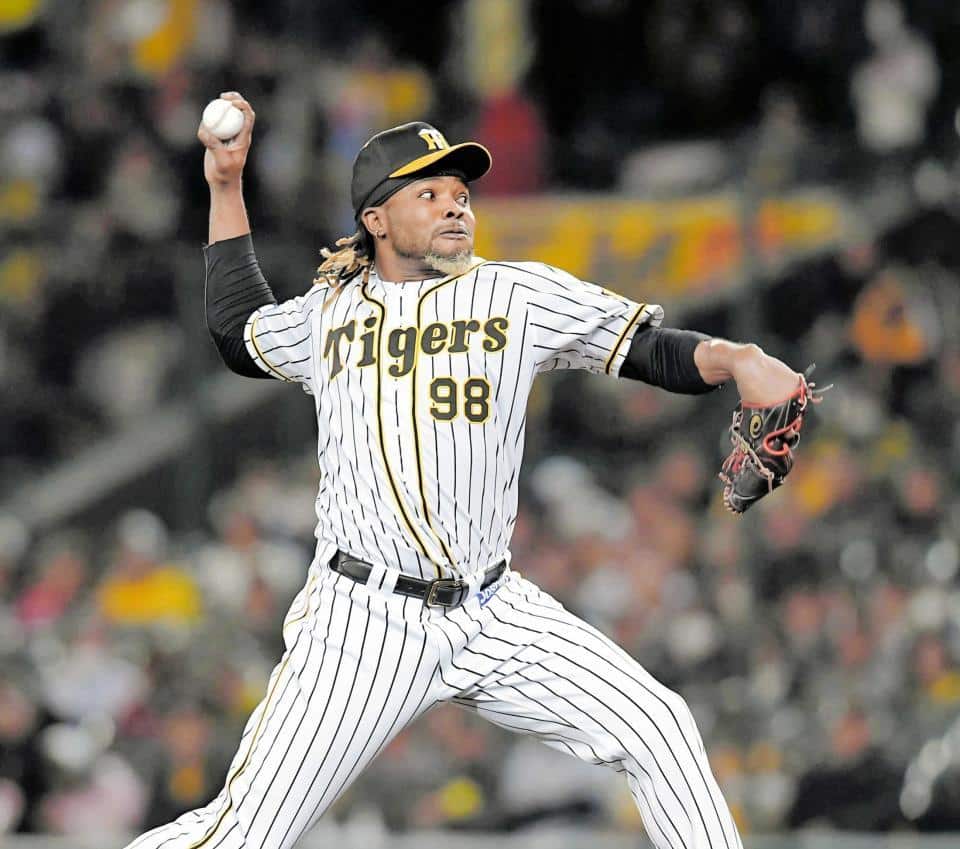
While North American baseball fans may know Dolis for his recent stint with the Toronto Blue Jays, Dolis first earned recognition for his work with the Hanshin Tigers, where he led the league in saves in 2017.
After bouncing between the Chicago Cubs, San Francisco Giants and Detroit Tigers, Dolis joined the Hanshin Tigers in 2016 and became one of the top relievers in the Central League. He pitched 34 innings of 2.12 ERA ball in his first season and then led the league in saves in 2017 with 37.
While Dolis is now back in MLB, his NPB stint has had a lasting impact on his career. Looking for a new way to beat the contact-oriented NPB hitters Dolis learned to throw a forkball with Hanshin. With that new pitch in his repertoire and a closer’s mentality – both developed in Japan – Dolis has averaged over 11 strikeouts per nine innings with the Blue Jays over the last two seasons.
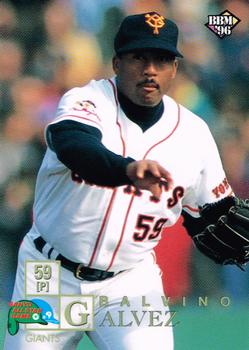
You may not be able to tell from his stats, but Balvino Galvez was one of the most electric pitchers in recent Giants’ history, helping the team capture the 1996 Central League pennant and winning Tokyo fans over with his flair on and off the mound.
After bouncing between minor league clubs for MLB teams like the Cubs, Yankees, and Twins, Galvez first found stable success in Taiwan, where he posted a 26-16 record and 2.53 ERA with the Brother Elephants. After traveling to Japan in 1996, he found immediate success with the Tokyo Yomiuri Giants. He won 16 games in his first season – matching teammate Masaki Saito for most in the Central League – and helped lead the Giants to the pennant. Galvez was best known for his demeanor on the mound: he stuck his tongue out while he dealt, frequently argued balls and strikes, and even engaged in an infamous season-ending brawl (a rarity in Japan) with the team’s archrival Hanshin Tigers – in 1998.
With his theatrics and success on the mound, Galvez was a favorite of both fans and team staff. In 1999, the team made him the first non-Japanese pitcher to ever start Opening Day for the Giants. While he may not have many awards on his résumé to show for it, Galvez was a very important player in NPB history, as he not only enjoyed success few foreign pitchers have seen for the Giants – as no other foreign pitcher has won 10 games for the team since Galvez – but also helped pave the way for other talents to make the jump from Taiwan to Japan, including future stars like Alex Cabrera and Carlos Mirabal.
Not to mention he picked up 39 hits and 10 home runs in his time there, too! Galvez was an all-around attraction, his star burning bright over five seasons with the Giants.
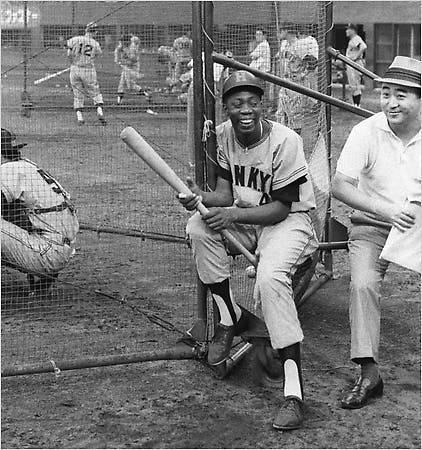
Roberto Barbon is Japan’s first Latin player, and was the first import player to knock in 1000 hits in NPB history; an obvious shoo-in for the list.
While we go more in-depth into Barbon’s career in our profile of him, we’ll keep it to the highlights: led the league in steals three times (1958-60) and is the only import to ever record 50 steals in a season. He totaled 308 stolen bases in his NPB career and was named an All-Star twice (1958, 1959).
After starring for the Hankyu Braves for ten seasons, Barbon picked up a scouting gig with the franchise, and became a beloved ambassador for the club. The 88-year-old lives in Japan to this day.
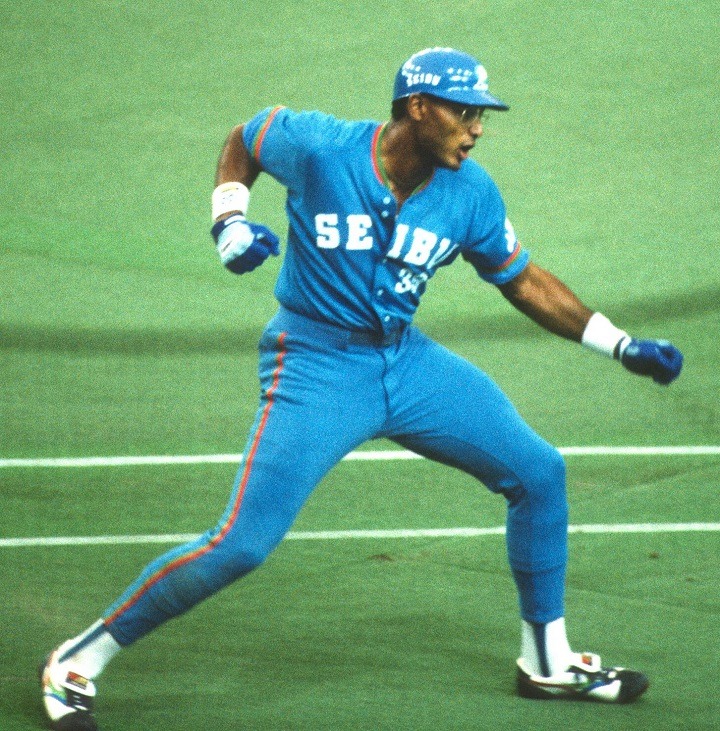
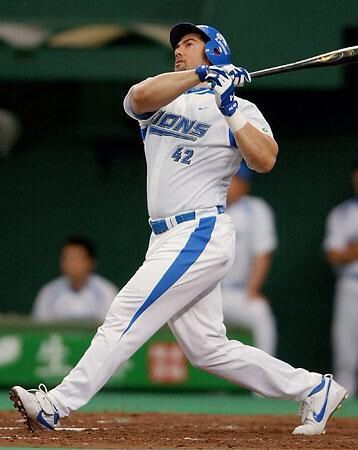
Destrade only played five NPB seasons, but his impact on the Seibu Lions was undeniable. He helped the team three straight Japan Series titles (1990-92), and earned the Series MVP title in 1990.
Beyond the team accomplishments, Destrade was one of the most dangerous hitters in league history, earning the home run title all three championship seasons with insane stats (42 in 1990, 39 in 1991, and 41 in 1992), as well as the RBI title in 1990 (106) and 1991 (92). What’s more, he was named Central League Best Nine all three years – as well as being named an All-Star in 1992. Destrade goes down as one of the best switch-hitters in league history.
The Seibu Lions’ dynasty would end following his departure. Connect the dots.
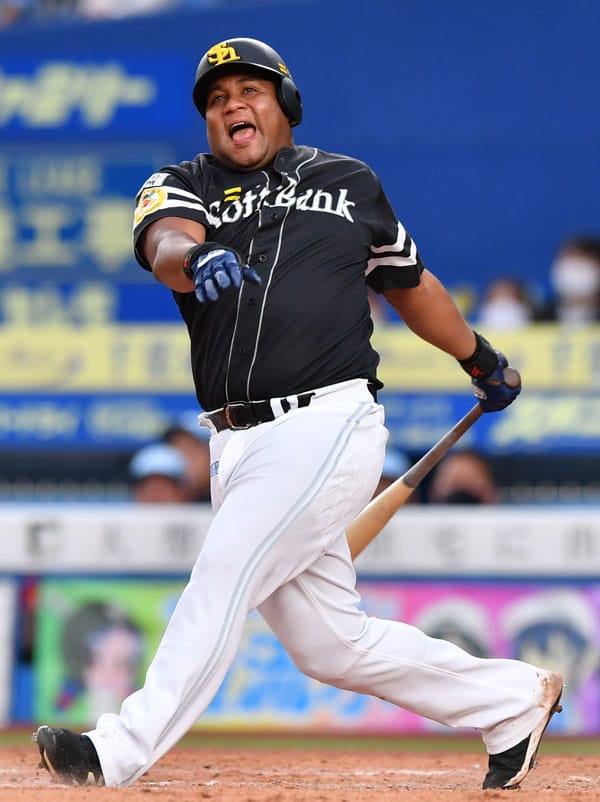
One of multiple players on this list currently playing for the dynastic Fukuoka SoftBank Hawks, Despaigne is known for his abilities with the bat and clutch hitting.
After first joining the Chiba Lotte Marines in 2014 and donning the black and white for three seasons, Despaigne broke through in 2016, batting in 106 runs and earning a nice contract with the Hawks. Despaigne proved to carry his weight and then some in year one of his deal, winning All-Star MVP in his first of three straight All-Star games, being named Best Nines (he again earned it in 2019), and leading the Pacific League in both home runs (35) and runs batted in (103).
Oh, and he’s also a four-time Japan Series champion (2017-2020). That probably counts for something!
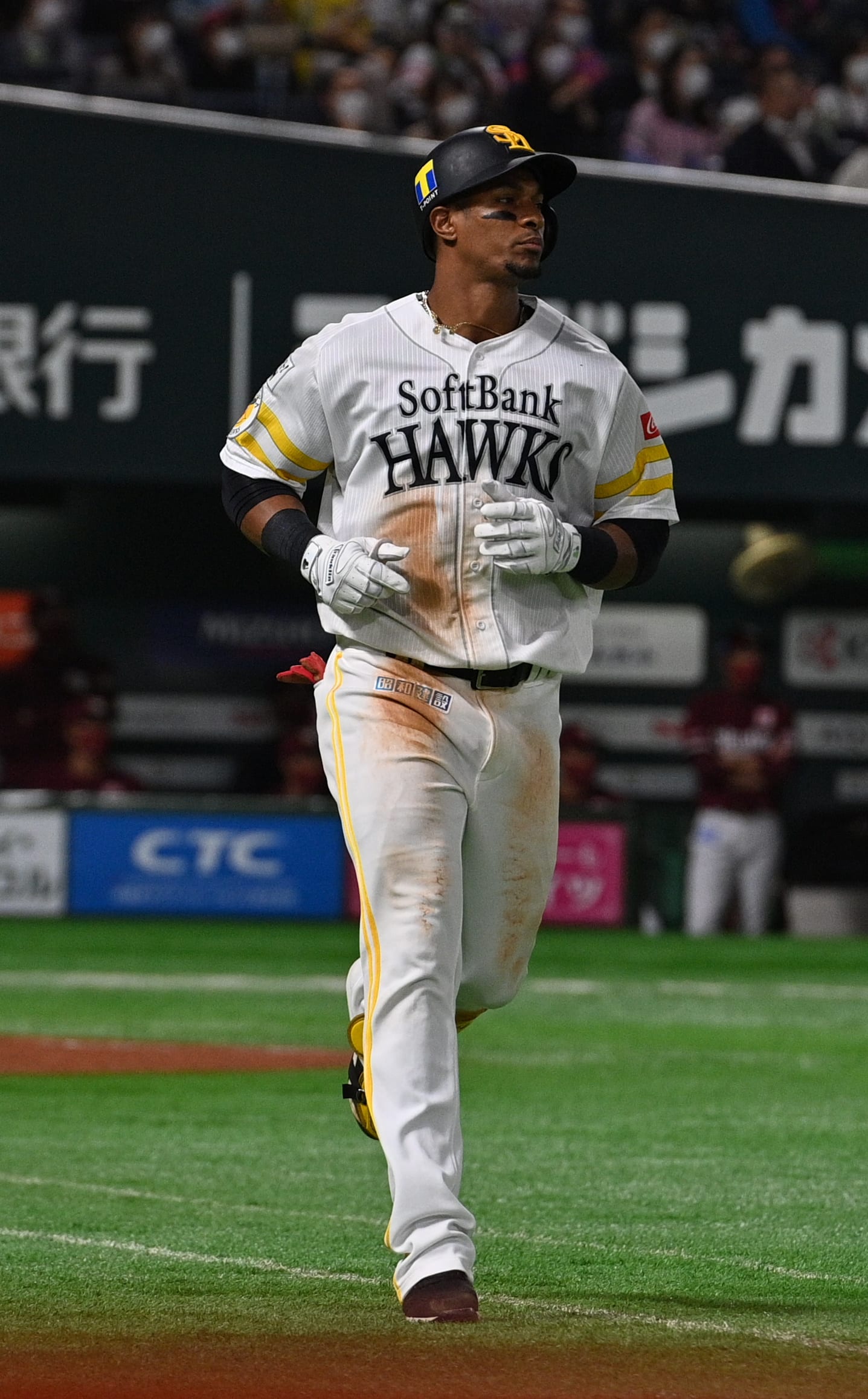
A proven winner, Gracial is well-known as a key veteran player on the new-age Hawks dynasty, even being named an All-Star and Japan Series MVP in 2019.
After starting out in the Cuban Winter League and then playing in the independent Canadian-American Association, Gracial joined the Hawks in 2018, playing sparingly in the infield but joining a well-oiled Hawks juggernaut that won the Japan Series in his first year. Posting 68 RBIs and 28 home runs in 2019 – being named an All-Star in the process – Gracial earned an everyday role with the Hawks in year two and added a second Japan Series ring – this time contributing with some clutch performances. Although COVID-related visa issues limited his 2020 performance, he made it three-for-three in Japan series titles.
While it doesn’t appear that the Hawks will have a chance to earn another title in 2021, we hope that the 35-year-old has a chance to add ring number four before he hangs them up!
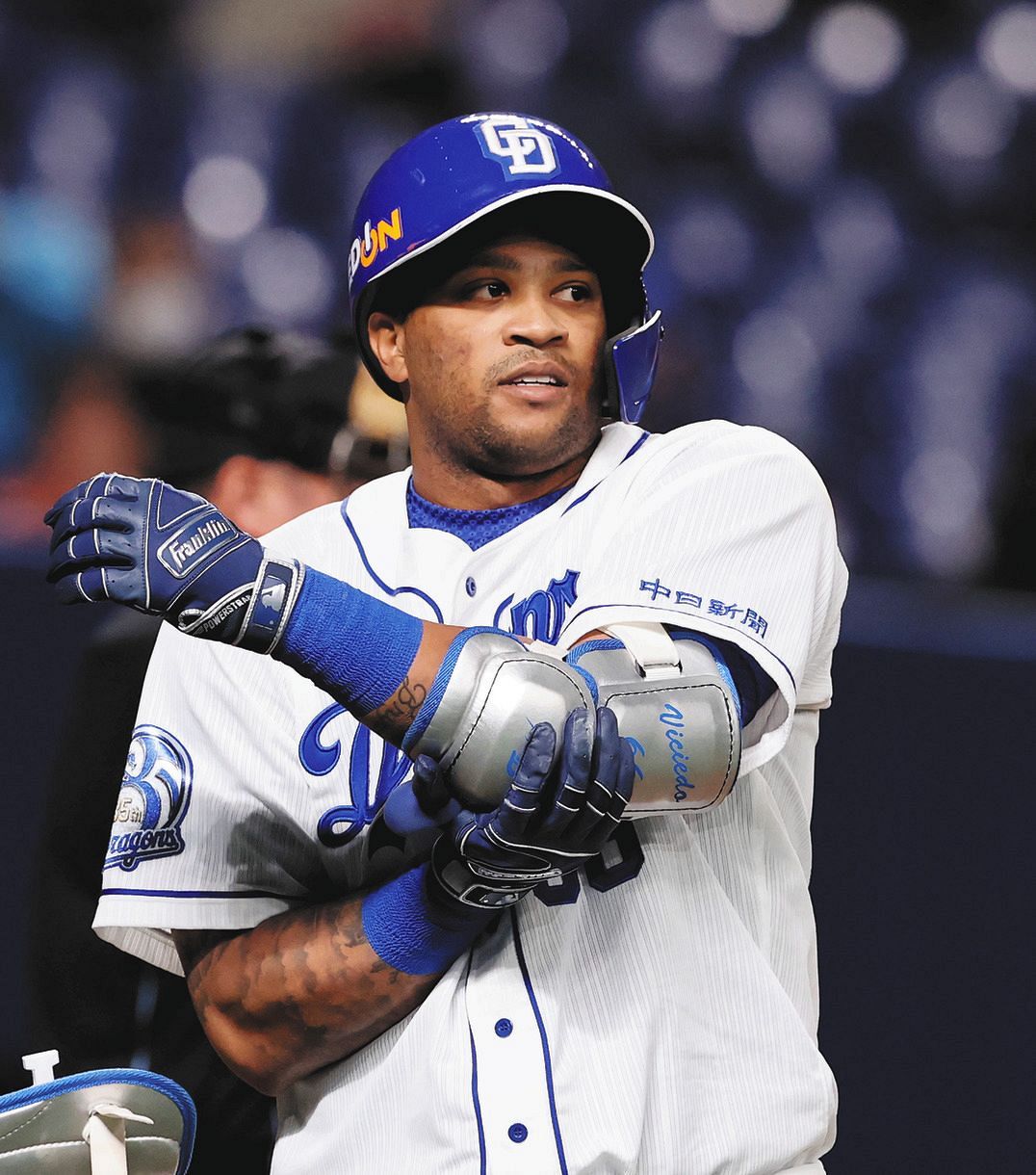
2020’s Central League batting champion, a recent two-time Best Nine winner, and perennial All-Star contender: Dayán Vicedo has definitely worked himself onto this list with his efforts over the last five years.
Vicedo joined the Chunichi Dragons in 2016, and quickly made a name for himself, earning his first of two All-Star appearances (2016, 2021). Vicedo would only improve thereafter, earning two straight Best Nines (2018, 2019) for his work at first base and at the plate. While the Dragons have not been competitive for years, Vicedo’s accomplishments have been a bright spot for the struggling franchise, and perhaps the team would like to win their star a ring before he retires.
Of course, that’s a big ask of the Dragons.
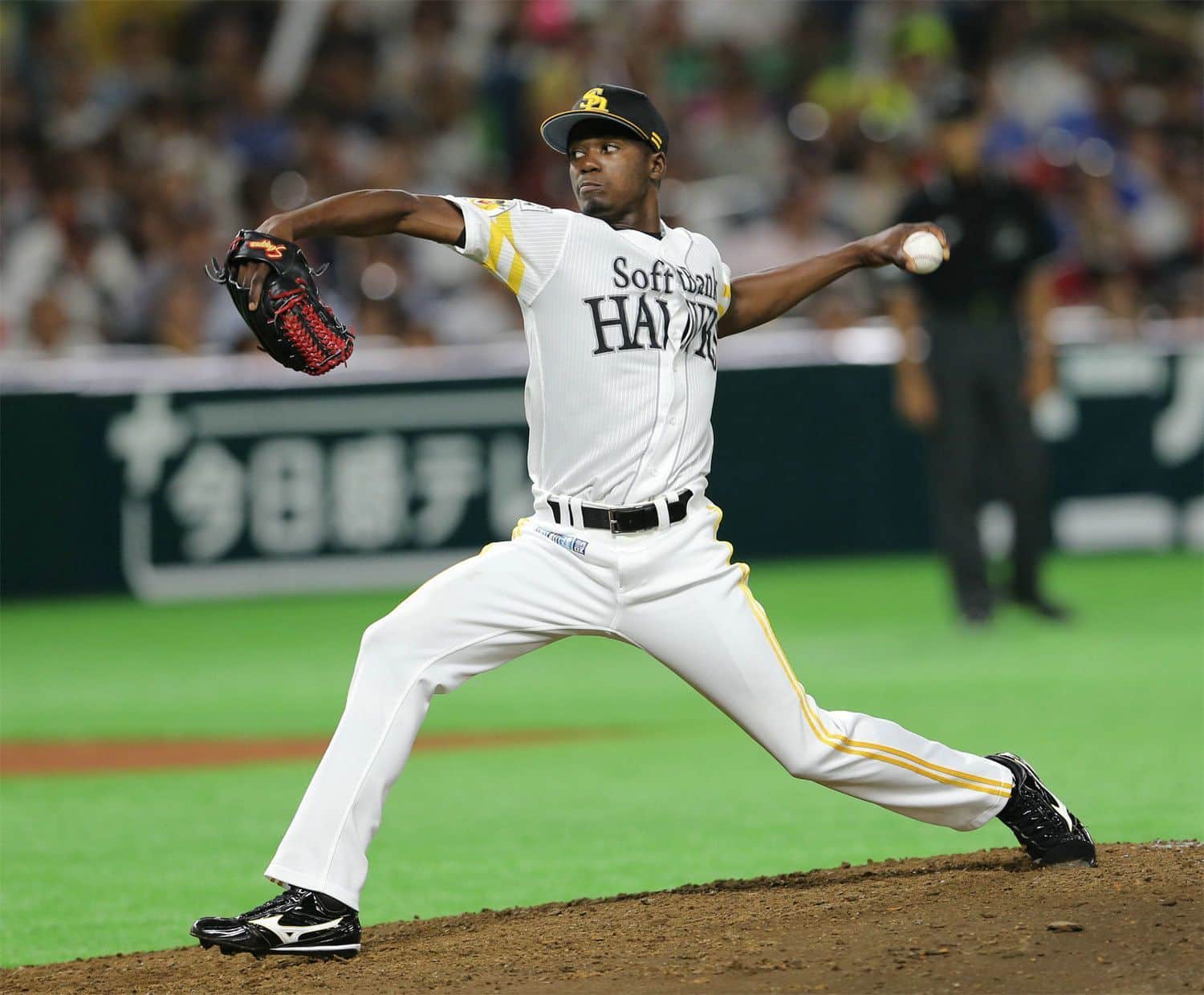
While not as well-known as the closer, the setup man is one of the most important positions in baseball, helping the team get through the many of the most pivotal moments of the game. As a result, it should come as no surprise that the winner of the past four Japan Series has an elite one in Liván Moinelo.
The 2020 Reliever of the Year, Moinelo has been on each of the Hawks’ past four consecutive championship teams, appearing in 226 total games. Posting a sub-2.00 ERA in both 2019 and 2020, Moinelo led the Pacific League with 38 holds in 2020, and has been a reliable bullpen presence throughout the Hawks’ postseason runs.

While Millán’s baseball career is well-known for his lengthy tenures at second base with the Atlanta Braves and New York Mets – being named a three-time All-Star (1969-1971) and two-time Gold Glove (1969, 1972) his work in his last three seasons for the Yokohama Taiyo Whales is not to be ignored.
Millán joined the team in 1978 and had his best season in 1979, when he won the batting title with a whopping .346 average (and 126 hits), earning his spot on the Central League Best Nine. He was also a perfect batter for Japan’s small-ball style, registering only 52 strikeouts in 1139 at-bats and known for his effective slap-hitting approach.
Unfortunately, he was limited by injuries during his three seasons with the Whales, but his contribution to the team should not be forgotten.

Hitting 153 home runs in five seasons is no easy task by any means… hence why Leo Gómez earns his spot on this list.
A two-time Best Nine winner (1997, 1999) and one-time All-Star (2000), Gómez was perhaps one of better run producers of the era, totaling more than 75 RBIs in four straight seasons (1997-2000) and leading the team in home runs over three of them. 1999 proved to be his best season, as he whalloped 36 home runs and posted 109 RBIs enroute to helping the Dragons claim one of their only Central League pennants.
Unfortunately, Gómez was limited by knee injuries in his final two seasons with the club, but his impact on the modern Dragons is not to be denied.
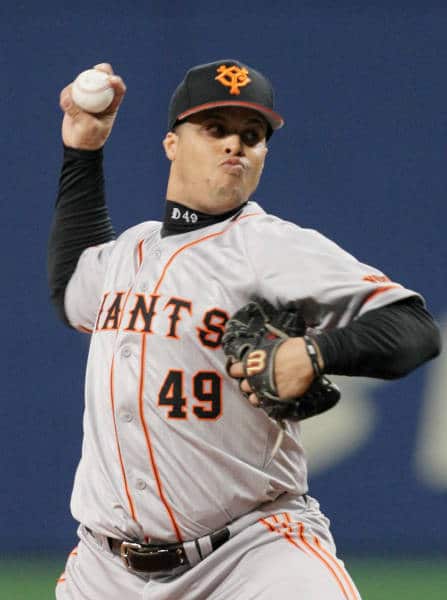
Everyone knows about Masahiro Tanaka’s unbelievable 2013 season, but few can cite another one of the other greatest seasons in NPB history: Dicky Gonzalez’s 2009 campaign.
After splitting time with the Yakult Swallows’ professional team and farm team for five seasons, Gonzalez joined the Yomiuri Giants for the 2009 campaign, and became a completely different pitcher overnight. Gonzalez powered the Giants back into the Japan Series, where he pitched two games and helped Yomiuri claim their twenty-first title, earning his first ring in the process. Gonzalez was also an NPB All-Star, Gold Glove winner, and Best Nine for Central League pitchers.
While Gonzalez would never be able to replicate his 2009 season, he still posted solid numbers over a lengthy NPB career: a 45-41 record with a 3.55 ERA and 508 strikeouts over nine seasons with the Swallows, Giants, and Marines.
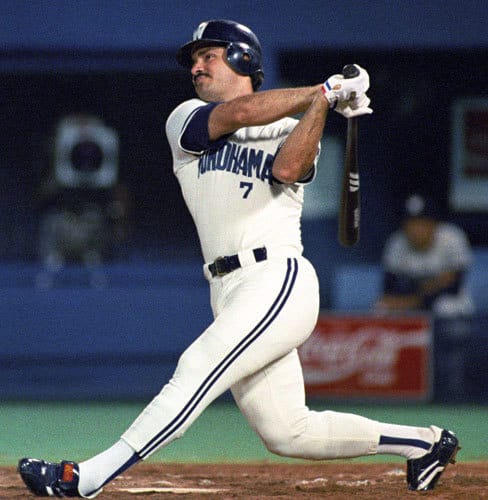
Known as “Super Mario” for his trademark mustache, there’s no denying that Carlos Ponce was a “power up” for the Yokohama Taiyo Whales for the four seasons he was there.
Ponce was one of the best hitters in the game during his prime, with his two “Best Nine” seasons being particularly noteworthy. In 1987, he led the Central League in both hits (159) and RBIs (98), and in 1988, he led the league in home runs (33) and RBIs (102). The slugger posted a .555 slugging percentage during his time in Japan.
In addition, Ponce regularly appears as a celebrity in Japan, even appearing in a Super Mario outfit in a nod to his nickname!
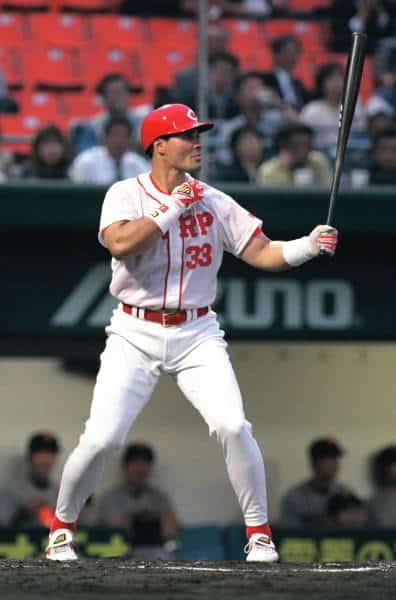
López was a model of consistent hitting over six NPB seasons (including five with the Hiroshima Toyo Carp), rapping out more than 140 hits in four seasons (1996-1998, 2001) and often leading the Central League in various offensive categories.
His best season came in 1997, when he led the Central League in RBIs (112), total bases (297) and hits (170), enroute to being named to his second Best Nine (1996, 1997). While he was never named an All-Star, there’s no denying López was one of the Carp’s best players for years, and earned his keep in the eyes of the red-clad Hiroshima faithful.
What’s more, López is well-regarded in NPB circles, even being hired as a coach for the Eagles in 2010. With one of the most consistent bats in the game, López’s offensive input would be well-received in any league or language.
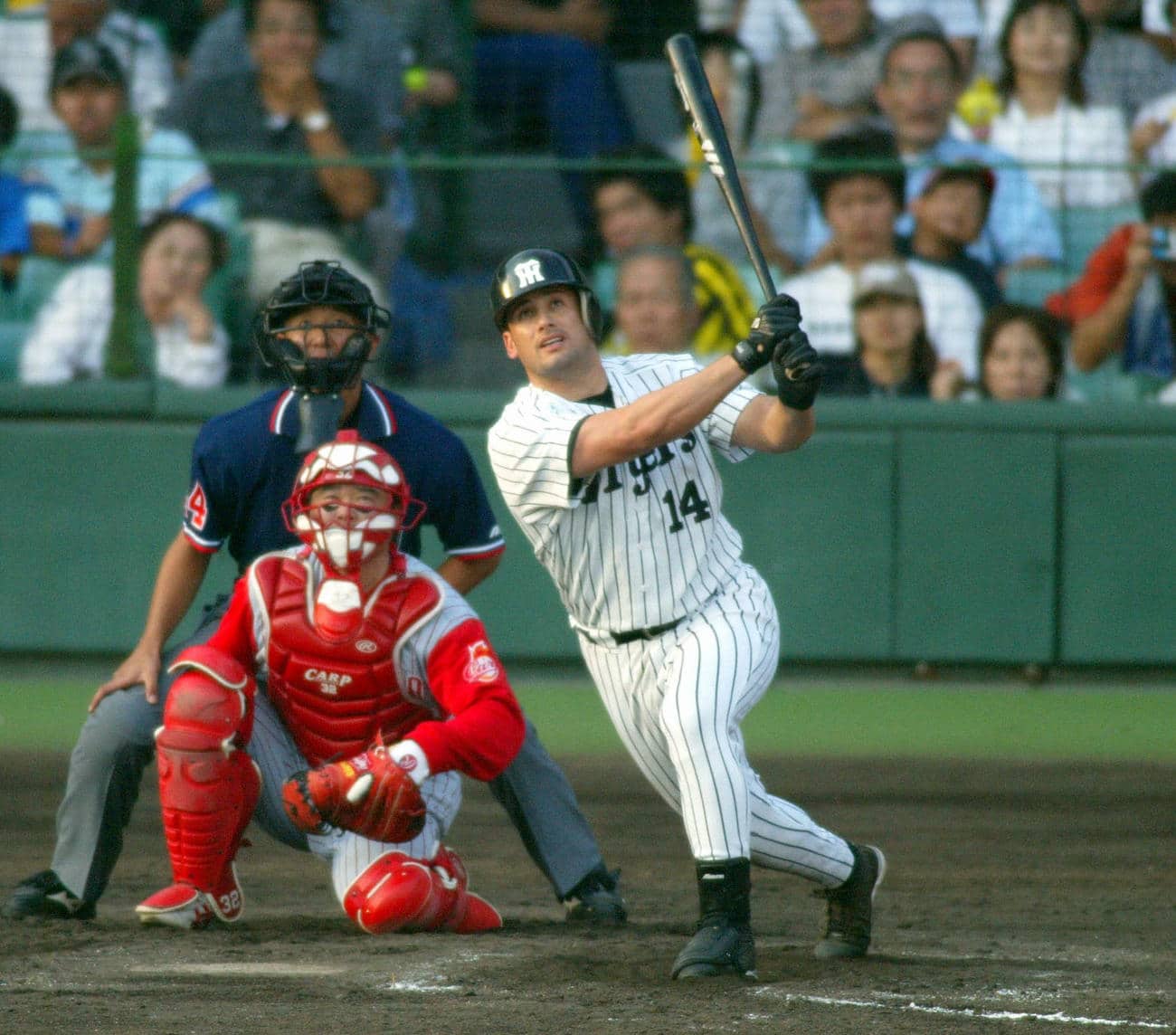
Arias, a hard-hitting third baseman with family roots in Mexico, was a traditional slugger for the Orix BlueWave and Hanshin Tigers in the early 2000s; so traditional, it almost cost him his job.
Arias was picked up by the BlueWave in 2000 and immediately become one of the team’s most reliable run producers, recording 61 and 97 RBIs in 2000 and 2001, respectively, as well as 38 home runs in 2001. Despite leading the team in RBIs, team management was unhappy with Arias’ low on-base percentage, and Arias left in free agency, searching for a better deal.
The gamble worked: while with the Hanshin Tigers, Arias was a three-time All-Star (2002-2004), and regularly recorded more than 80 RBIs, even recording 107 – and another 38 home runs – in 2003. Not only that, but Arias was a key contributor to the Tigers’ 2003 pennant-winning team, winning the Gold Glove at first base and being named to the Central League Best Nine.
While his all-or-nothing approach didn’t please some purists with the BlueWave, Arias’ pure power turned out to be enough to make him a star in Japan… and earn his spot on this list.
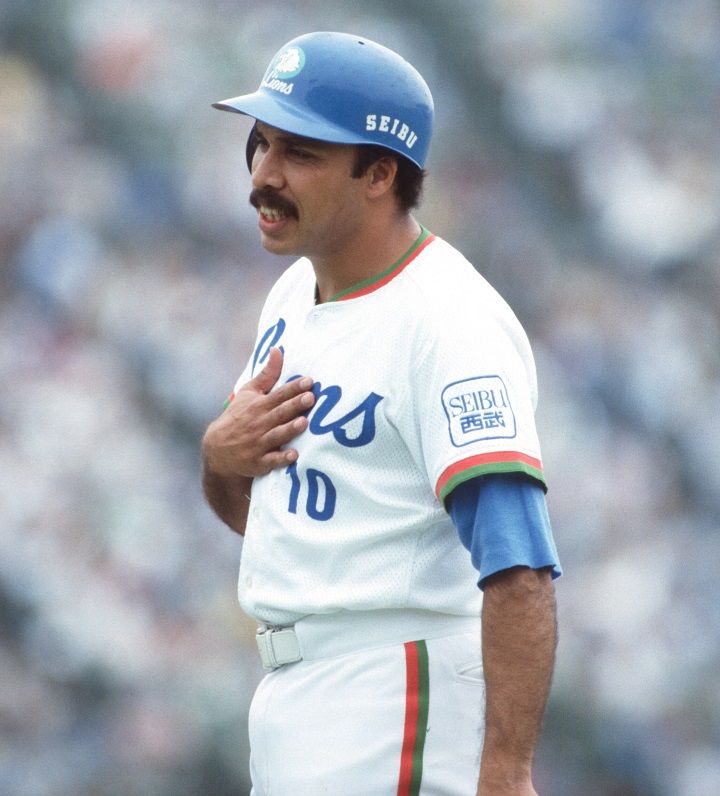
There are plenty of players from the Seibu Lions 1980s championship run that deserve their own writeup, but Steve Ontiveros earns his spot on this list for his skills with the bat and clutch performances for the team.
Ontiveros joined the Saitama Seibu Lions in 1980 as a dynamic midseason acquisition and became an important sparkplug for the team, being one of the players that new manager Tatsuro Hirooka and the improving Lions offense could rely on.
Ontiveros broke through in 1982 to help the Lions win their first championship in 14 years, batting .307, earning his first of two Best Nine nominations (1982, 1983), and being named Japan Series MVP. He would only improve upon this success, winning two more championships with the club (1983, 1985) and hitting more than .300 each season. His best season for individual accomplishments was in 1984, when he recorded 20 home runs and 101 RBI.
While he wasn’t the only star responsible for the Lions’ dynasty, he certainly was a critical element of its start. What’s more, he’s stayed in Japan, helping team management for years. Ontiveros is a beloved figure in Saitama, with his popular “Steve” jersey forever a fan favorite.
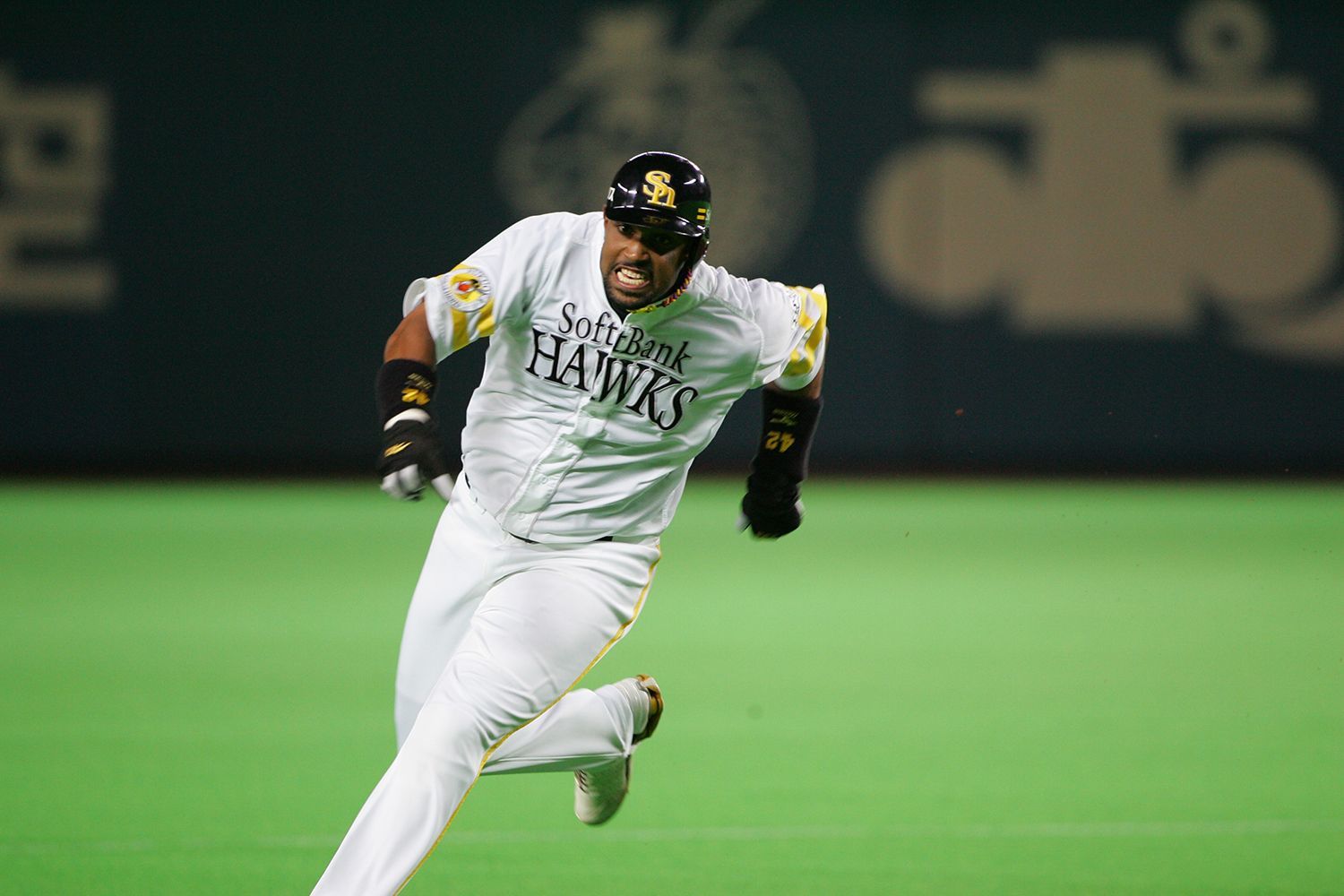
With all the success the Fukuoka SoftBank Hawks have had with import players recently, you’d think one of their new players would be the franchise’s import player home run king. That distinction, however, belongs to another: a Panamanian star nicknamed “Samurai.”
Julio Zuleta joined the Hawks in 2003 midway through the season, and made an immediate impact, knocking 57 hits in 67 games and helping the team win the Japan Series. Zuleta became one of the most feared sluggers in NPB over the next three seasons, whacking 109 home runs – the most for any player over 2004-2006 – and being named an All-Star twice (2004, 2005) and Best Nine in 2005.
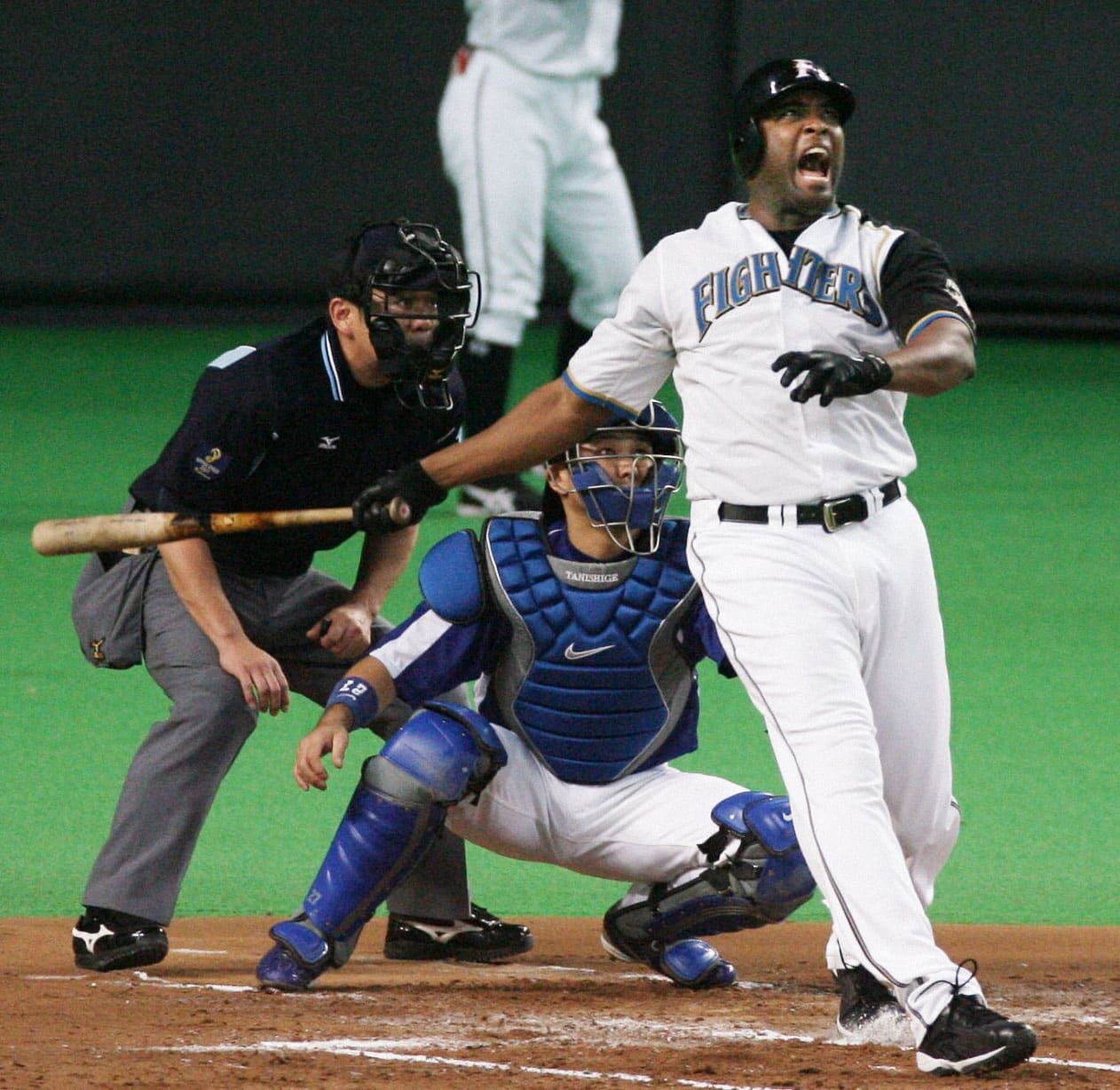
With multiple stints in Japan, Seguignol was a switch-hitting star known for raw power; in fact, he was the first player in NPB history to hit home runs from both sides of the plate twice in back-to-back games, accomplishing the feat while with the Orix BlueWave in 2002.
It’s his stint with the Hokkaido Nippon-Ham Fighters, however, that earns him his spot. Returning to Japan in 2004, Seguignol became one of the most consistent hitters in the league, totaling more than 135 hits in three consecutive years (2004-2006) and tying for the home run title in 2004. For his efforts, he was named to the Best Nine twice (2004, 2006), and still holds the NPB record for home runs in a single season by a switch hitter with 44 in 2004.
One more fun stat for the road: Seguignol is one of two players to have homered against 13 NPB teams; the other? His fellow panameño Zuleta.
